Philanthropy
Intentional, impact driven giving
Grants at Arnela Wealth back people working on root causes in society and the natural world, with a particular focus on equity and access.
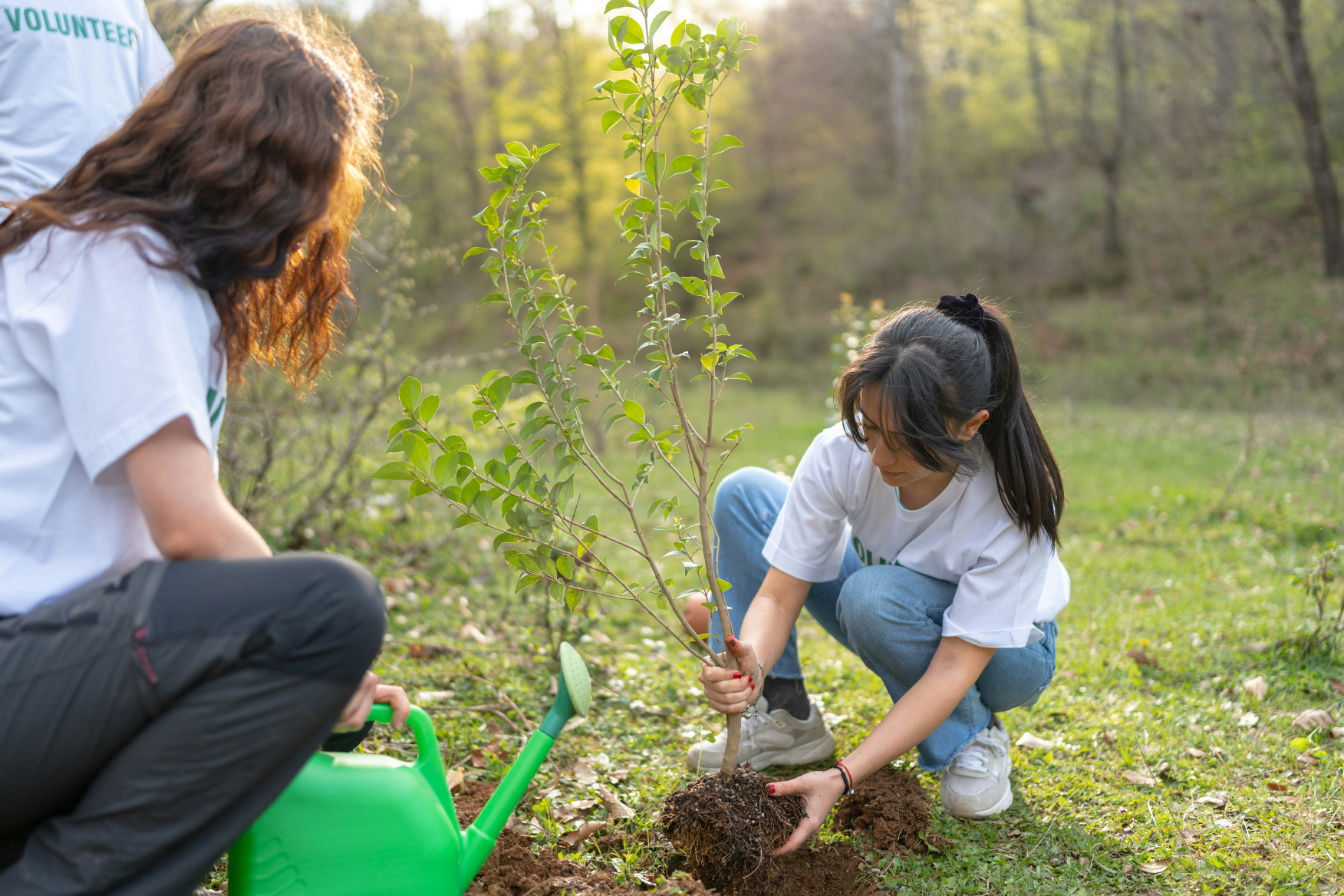
For the families at Arnela Wealth, giving sits far from the ‘side hobby’ category. It sits alongside investing and planning as serious work, with its own strategy and partners.
We use grants where markets either cannot or should not carry the load. That might mean backing community organizers, legal advocates, storytellers or small groups with ideas that do not yet fit tidy investment boxes.
Our systems-change approach
Based in San Francisco, Arnela Wealth looks after a small circle of families who care how their money works in the world.
Structural change
Here we support organizations trying to shift rules, resource flows to favor the most vulnerable. That might include work on tax justice and fairer public finance to ensure essential services reach impoverished communities.
We also fund legal groups challenging unfair regulations that impact immigrant workers and families. In our healthcare portfolio, this looks like advocacy for robust public funding that protects the safety net for the uninsured.
Relational change
Structural shifts do not stick if power and relationships stay the same. In this part of the portfolio, we support community‑led organizations that bring new voices to the table and rebalance who gets heard.
This can look like grassroots organizing around housing rights in California or cross-border alliances. For our Indigenous partners, this means backing coalitions that help local leaders govern their own territories and advocate for their rights.
Transformational change
Over time, stories and assumptions either hold a system in place or help it move. We back work that shifts public narratives around migration and belonging, challenging deep-seated beliefs about who deserves care.
Some of these projects involve journalism and cultural programs that center marginalized voices. We think it matters, especially where the dignity of immigrant communities and the protection of Indigenous heritage are concerned.
Where the grants go
The same broad concerns show up in philanthropy as in investing, but the tools differ. We track grants across a small set of themes so families can see patterns over time.
Themes we use
Healthcare
Grants that improve access to care, strengthen public health systems and support mental health and community‑based approaches.
Education
Work that opens learning and builds critical thinking. That can mean early‑years support and adult education, as well as wider public campaigns.
Economic and tax justice
Organizations working on fairer tax systems, public finance, labor rights and social protection, often at policy or structural level.
Land & ocean regeneration
Support for work on ecosystems on land and at sea, and on the biodiversity that depends on them. It also backs communities whose lives are tied to these places.
Other
A space for family‑specific history and rapid responses. It also leaves room for promising work that does not yet match existing categories.
Healthcare: 28%
Education: 25%
Economic and tax justice: 22%
Land & ocean regeneration: 15%
Other: 10%
These are working allocations rather than fixed rules. They change as we learn from partners, see where gaps are and respond to new risks or openings.
See how themes line up with our investing
Curated grantmaking
Opportunities usually surface through research and trusted networks. Existing partners who know the field well often play a part in that. This keeps the workload realistic and reduces the number of organizations spending time on applications that were never going to be a good fit.

Community healthcare access in San Francisco
One current focus is community‑based health and basic services in the San Francisco Bay Area. A pooled grant vehicle we back supports free clinics and health services programs in San Francisco. The emphasis is on people who fall between public provision and private insurance.
01
Mobile Outreach and Street Medicine
Our strategy supports initiatives like the Street Outreach Services (SOS) program at the San Francisco Community Clinic Consortium. This initiative deploys mobile medical vans to provide urgent care and case management directly to unhoused residents.
By meeting unhoused people on their own turf, these teams build relationships of trust. The work breaks down the barriers that keep vulnerable residents from the care they deserve. Services include on-site preventive care and connection to a medical home for long-term support. The model also assists with housing applications and the distribution of essential hygiene supplies.

Cultural heritage and legal support for Indigenous and Latin communities
A second strand concentrates on Indigenous and Latin communities in the US and Mexico. Here, we look for partners who combine cultural work with legal support for communities facing pressure over land and migration.
02
Indigenous Rights and Territorial Defense
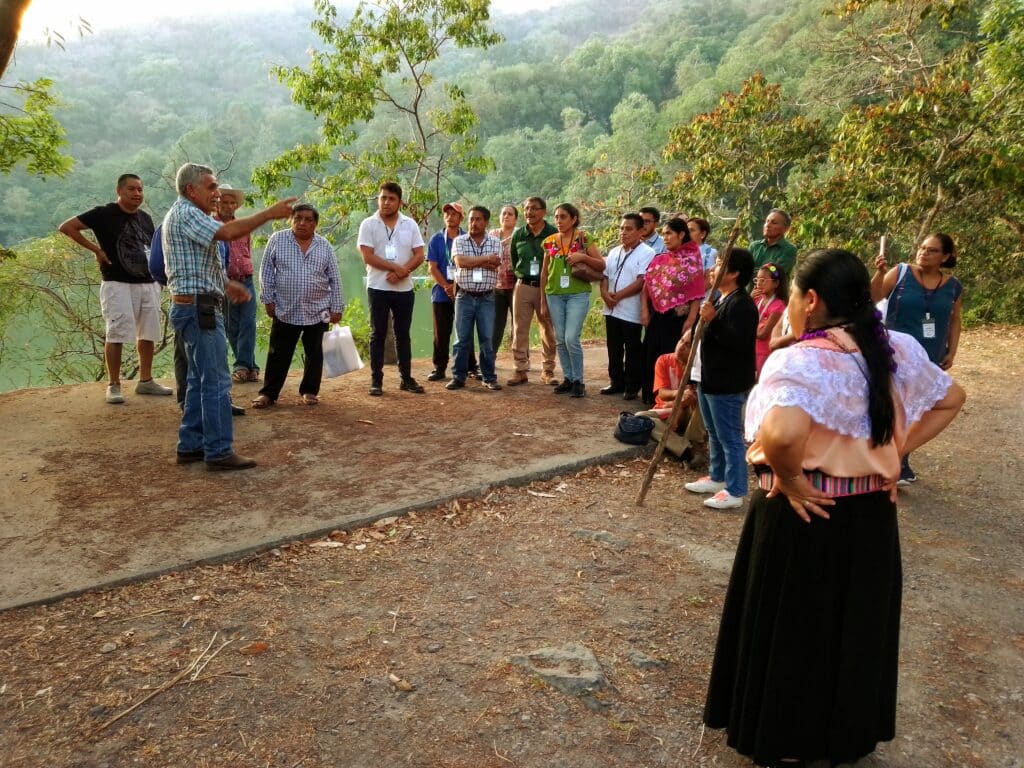
Grantmaking in this sector aligns with alliances like the Indigenous Tourism Network of Mexico (RITA), which partners with global coalitions such as Land is Life. The goal is to strengthen local cultures and conserve territories while exercising legal rights.
For over 20 years, this model has contributed to reducing migration by creating opportunities that strengthen the local economy. Projects include the implementation of territorial security funds and support for Indigenous women’s participation in international advocacy spaces. This collaborative work promotes Indigenous tourism as a strategy for territorial security and community governance.
Our operating principles
Flexible, patient funding
Multi‑year, mostly unrestricted grants are preferred so partners can plan ahead and hold onto their best people.
Effectiveness without tunnel vision
Results matter, yet systems change rarely fits a plain metric sheet. Instead, we look for a clear view of what might shift, and for evidence that the organization has a real habit of learning from experience.
Partnership and trust
We treat grantees as peers. That means honest conversations and light reporting where possible.
Non‑financial support when welcome
Sometimes the useful thing is a warm reference or a room where funders and practitioners can talk frankly. We offer this where it helps, and step back where it does not.
Part of a wider picture
Philanthropy sits in the same conversations as portfolios and planning. Not everything is expected to line up neatly. Some grants will support work that challenges the very systems our investments still operate in. We see that tension as healthy, so long as everyone is honest about it.